


 In-Depth Knowledge with Local Insight
Tailor-Made Expertise
Professionally Handled Operations

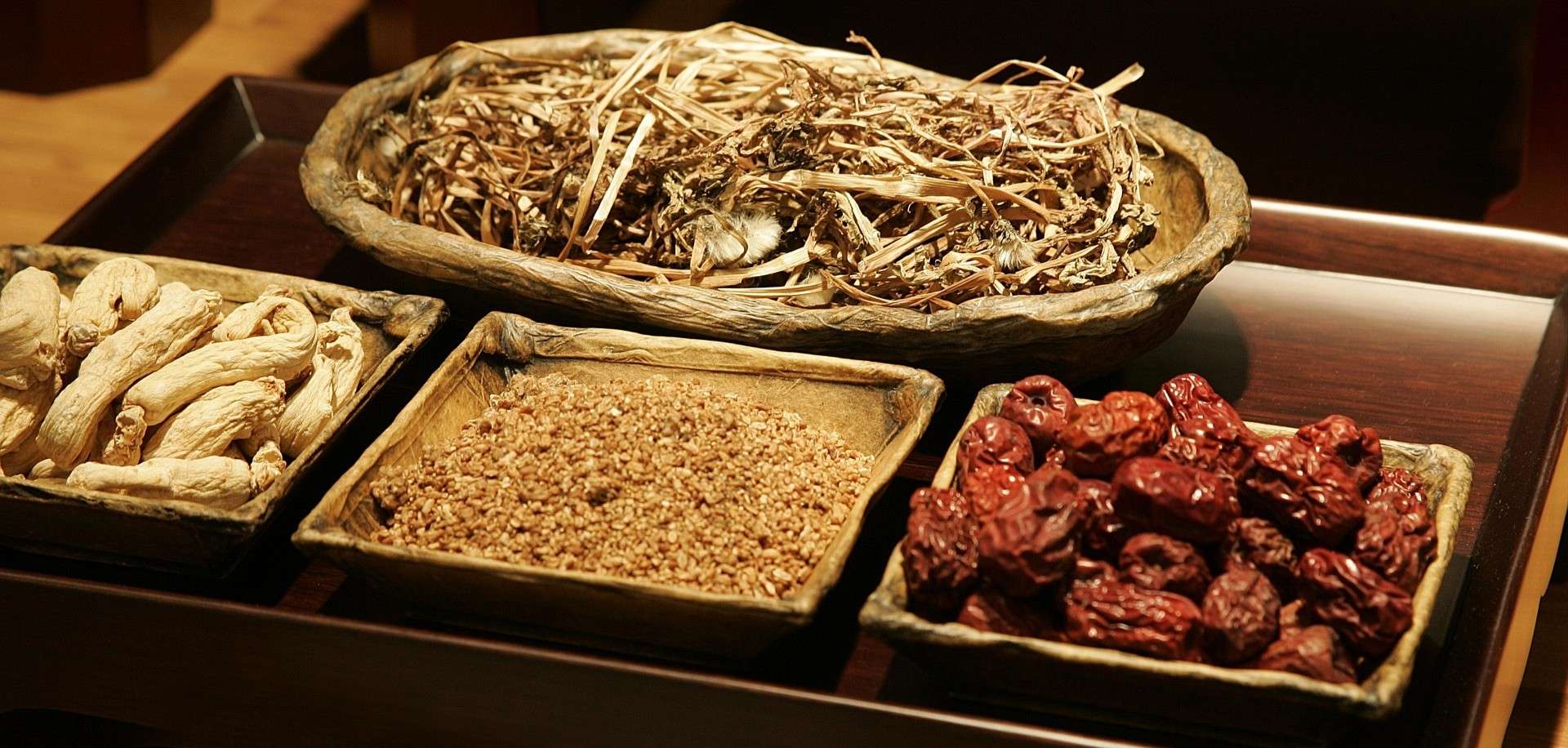
Discover Hanbang, Korea’s traditional herbal medicine, and how to build it into South Korea itineraries for culturally curious, wellness-minded clients.
South Korea’s wellness reputation has largely been built on its skincare clinics, beauty treatments and high-tech medical centres. Behind that modern image sits a far older tradition. Hanbang, or traditional Korean medicine, has shaped how Koreans think about health, food and balance for centuries, and it remains part of everyday life, from the herbal teas served at home to the clinics found in almost every neighbourhood.
For advisors selling Korea, Hanbang offers something genuinely different. It gives wellness-minded clients a cultural experience rather than a clinical one, opens up regions beyond Seoul and Busan, and adds depth to itineraries for repeat visitors who have already seen the palaces and shopping districts.
Hanbang draws on wider East Asian medical traditions but has developed a distinctly Korean character. Its cornerstone is the Donguibogam, a 25-volume medical encyclopaedia compiled by the royal physician Heo Jun and completed in 1613. The text is inscribed on UNESCO’s Memory of the World Register and still informs practice today.
At its heart, Hanbang treats the body as an integrated whole and focuses on restoring balance rather than addressing symptoms in isolation. Practitioners often begin by assessing a person’s constitution, a concept refined in the late 19th century through Sasang constitutional medicine, which classifies people into four body types, each suited to different foods and herbs. Treatment can include herbal remedies, acupuncture, cupping and dietary advice, with ginseng the most celebrated ingredient of all.
For clients, the appeal lies less in the medicine itself and more in what it reveals about Korean culture: a philosophy built on prevention, seasonal living and food as medicine.
Seoul’s Yangnyeongsi herbal medicine market in Dongdaemun district is the natural starting point. As Korea’s largest distribution centre for herbal medicine, the neighbourhood is home to more than 1,000 specialist shops, clinics and wholesalers, and the scent of dried roots and bark fills the streets. Its history reaches back to the Joseon Dynasty, when the site housed Bojewon, an institution offering free medical care to travellers and the poor.
At its centre, the Seoul Yangnyeongsi Herb Medicine Museum displays around 350 types of medicinal ingredients, from ginseng and deer antler to mineral remedies. It makes an ideal briefing before a guided market walk, and pairs well with a hands-on session led by a licensed Korean medicine practitioner, where guests learn the fundamentals of Hanbang, receive a simple constitution assessment, and blend and brew their own herbal tea to take home. Depending on the season, the session can also include a herbal foot spa or a meridian massage.
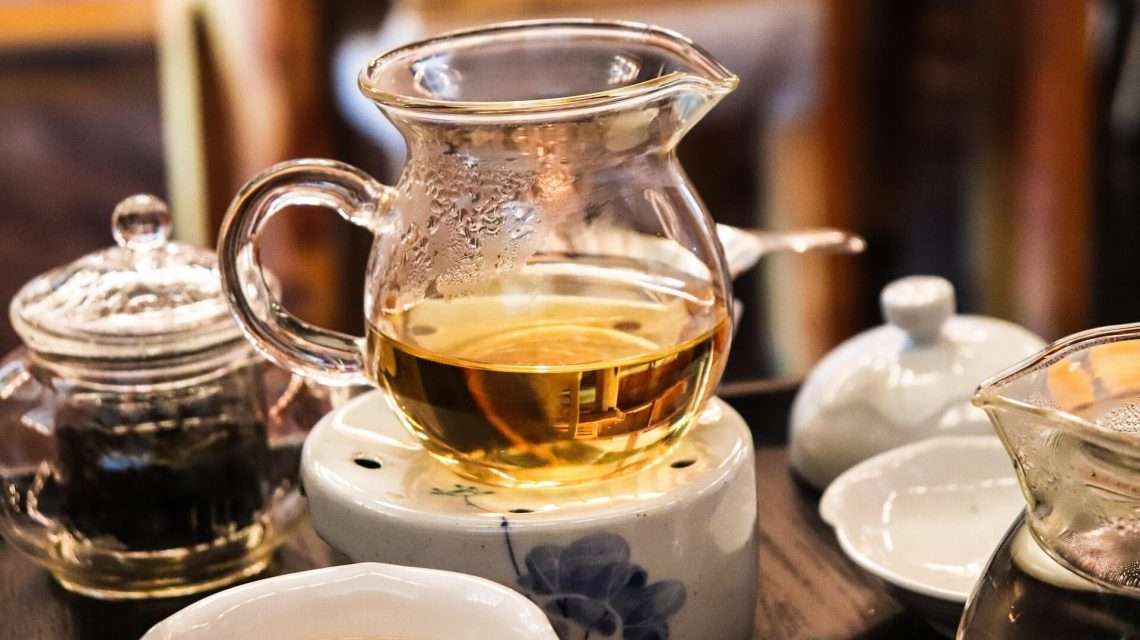
Daegu’s Yangnyeongsi dates from 1658, making it the oldest herbal medicine market in the country. Originally a seasonal market held each spring and autumn, it is now a permanent street of traditional pharmacies and herb merchants. The Daegu Yangnyeongsi Museum of Oriental Medicine provides an interactive introduction, and each May the city hosts a herbal medicine culture festival. With Daegu around two hours from Seoul by KTX, it slots easily into a routing that includes Gyeongju or Busan.
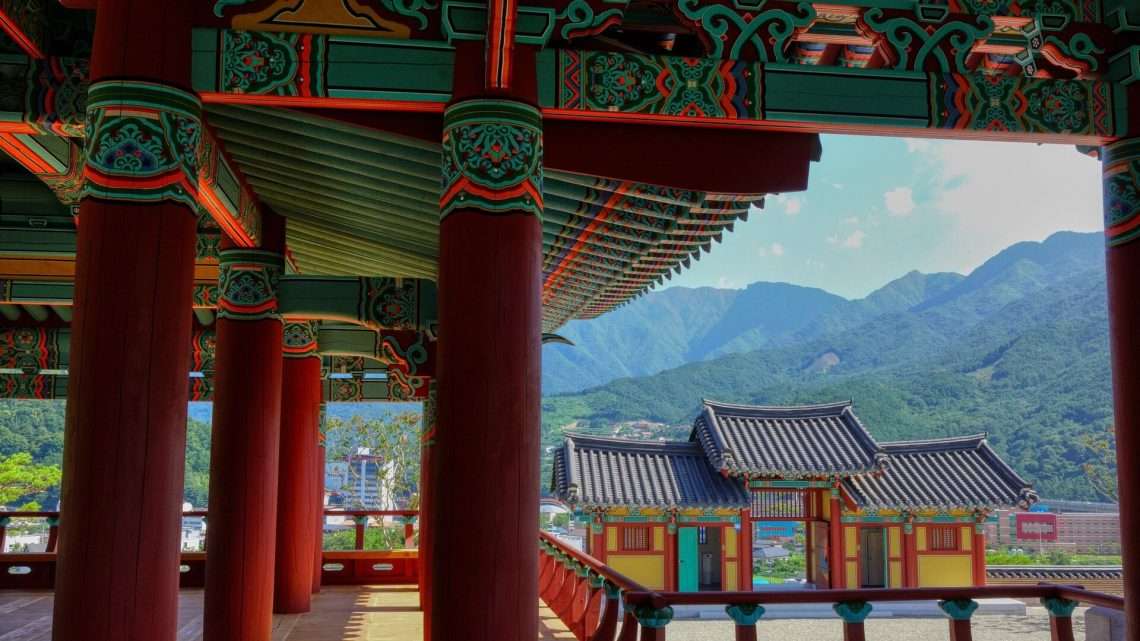
At the foot of Jirisan in South Gyeongsang province, Sancheong is closely associated with Heo Jun and his medical legacy. Its Donguibogam Village, opened in 2005 as Korea’s first herbal medicine theme park, is laid out according to the five elements of traditional medicine and brings together museums, healing trails and experience halls.
Guests can enjoy herbal foot baths, make herbal sachets, try traditional heat therapy and sit down to a lunch of medicinal cuisine. The annual Sancheong herbal medicine festival in autumn adds herb markets, workshops and consultations. Sancheong works well as a day trip from Busan or combined with the historic city of Jinju.
In North Chungcheong province, Jecheon’s elevation and limestone-rich soil make it one of Korea’s leading herb-growing regions, and the city has positioned itself as a centre for traditional medicine and forest wellness.
Programmes include herbal tea therapy based on Sasang constitutional medicine, herbal foot baths and guided forest therapy, with the Jecheon Herbal Expo Park as a focal point. It suits clients looking for a slower, nature-based retreat within reach of Seoul.
Geumsan: Korea’s Ginseng Heartland
For clients drawn to Korea’s most famous remedy, Geumsan in South Chungcheong province is the place to go. The county handles the majority of the country’s ginseng trade, and its traditional ginseng farming system is recognised by the UN Food and Agriculture Organization as a Globally Important Agricultural Heritage System. Visitors can explore the ginseng market and museum, while the Geumsan World Ginseng Festival each autumn adds root digging, tastings and ginseng-infused treatments.
Hanbang appeals to wellness travellers looking for something more meaningful than a spa menu, culturally curious clients who want to understand how Koreans live, multi-generational families seeking shared, hands-on activities, and repeat visitors ready to venture beyond the classic circuit.
It also combines naturally with other themes. Pair a Seoul Hanbang session with a K-beauty programme to show the traditional roots of Korean skincare, or link medicinal cuisine to a wider culinary journey. For packaging, a half-day in Dongdaemun fits easily into any Seoul stay, while a two or three-day regional extension through Daegu and Sancheong, or Jecheon and Geumsan, creates a dedicated wellness journey with a strong sense of place.
Practical Notes for Advisors
From a half-day in Seoul’s herbal quarter to a multi-day journey through Korea’s herb-growing heartlands, our team can design bespoke Hanbang programmes around your clients’ interests, pace and season of travel. Contact us on hello@trailsofindochina.com to start planning.
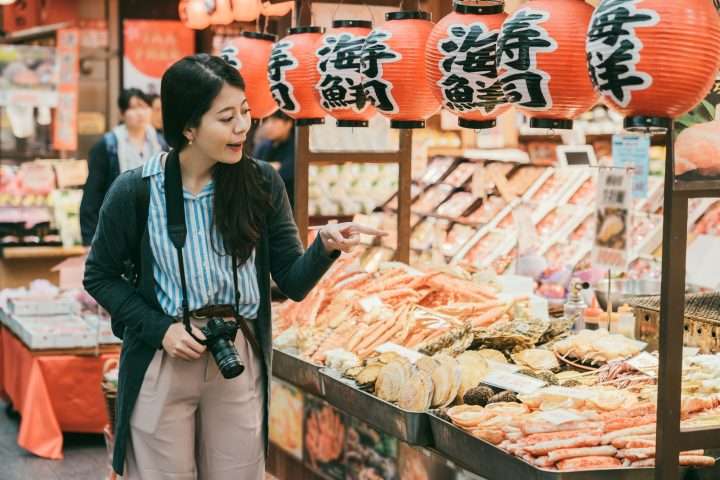
Seoul - Tokyo - Kanazawa - Kyoto - Osaka

South Korea and Japan draw global travelers with food cultures that feel both rooted and alive—from Korea’s bustling street food to Japan’s refined, Michelin-recognized dining. This gastronomy journey is a rare immersion into the artistry, heritage, and rituals that define the cuisine of these two countries at its most authentic and elevated.
Inspired to start planning your customised journey to Southeast Asia? Share your ideas with us at hello@trailsofindochina.com or submit a request below.